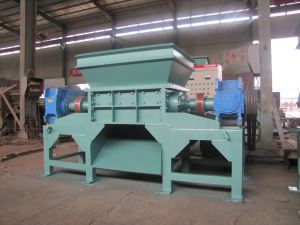
Sponge iron briquetting presses play a crucial role in sustainable steel production. As the steel industry continues to face increasing pressure to reduce its environmental impact, sponge iron (also known as direct reduced iron or DRI) and the briquetting process have gained importance due to their potential to enhance both operational efficiency and sustainability.
1. Maximizing Resource Efficiency
Sponge iron is a critical material in steel production, especially in electric arc furnaces (EAFs) and other forms of secondary steelmaking. However, during the production and handling of sponge iron, significant amounts of iron fines (small particles) are generated. These fines are difficult to use directly in steelmaking because of their tendency to blow away during processing, leading to material losses and inefficiency.
A sponge iron briquetting press helps solve this problem by converting the iron fines into dense, compact briquettes. These briquettes are easier to handle, transport, and store, and they can be used directly in steelmaking furnaces. This allows manufacturers to reclaim and reuse sponge iron that would otherwise be wasted, maximizing resource efficiency and reducing the need for additional raw material extraction. By utilizing every bit of available iron, steel producers can significantly reduce waste and lower operational costs.
2. Reducing Energy Consumption
The production of sponge iron is an energy-intensive process, typically carried out through methods like the direct reduction of iron ore. When iron fines are left unused, this wasted material represents not only a loss of raw materials but also a loss of the energy that went into producing it. Briquetting these fines helps recover this energy by enabling the reuse of sponge iron in the steelmaking process.
Using sponge iron briquettes in electric arc furnaces (EAFs) helps improve energy efficiency in steel production. The compact nature of briquettes leads to better furnace efficiency, as they melt more uniformly and reduce energy losses. This lower energy consumption directly contributes to a more sustainable production process, reducing the overall carbon footprint of steel manufacturing.
3. Decreasing Greenhouse Gas Emissions
They can significantly reduce greenhouse gas emissions associated with steel production. Traditional methods of iron processing, such as the blast furnace route, are highly carbon-intensive due to the reliance on coal or coke as a reducing agent. Sponge iron production, on the other hand, can use natural gas as a reducing agent, which emits less carbon dioxide compared to coal.

By converting iron fines into briquettes and using them in steelmaking, the overall reliance on carbon-intensive iron sources can be reduced. This, in turn, lowers the industry's greenhouse gas emissions, helping steel producers comply with stricter environmental regulations and sustainability goals. Many modern steel plants that aim to reduce their carbon footprint now favor sponge iron and its briquettes as an environmentally friendly alternative to traditional feedstock.
4. Enhancing Steel Quality
Sponge iron briquette not only contributes to resource and energy efficiency but also helps in producing higher-quality steel. The briquette process removes impurities from iron fines, resulting in purer briquettes that can be used directly in the furnace. This leads to more consistent and higher-quality steel products, which are essential in industries such as automotive, construction, and manufacturing.
The use of sponge iron briquettes in EAFs also reduces the need for scrap metal, which often contains impurities that can degrade the quality of steel. By relying more on sponge iron briquettes, steelmakers can produce cleaner, stronger, and more reliable steel products, thus enhancing overall production quality and sustainability.
5. Reducing Raw Material Dependence
As natural resources become scarcer and raw material prices fluctuate, the steel industry is looking for ways to reduce its dependence on traditional sources of iron ore and scrap metal. Sponge iron briquette presses provide an effective solution by allowing steel producers to recover and reuse iron fines that would otherwise be discarded. This reduces the need for new iron ore mining and scrap metal recycling, contributing to the conservation of natural resources.
The consistent and reliable nature of sponge iron briquettes allows steel producers to maintain more stable production cycles, even when raw material availability is limited. By reducing reliance on external resources, briquetting presses support a more resilient and sustainable steel production process.