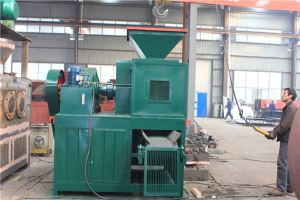
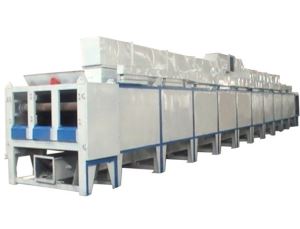
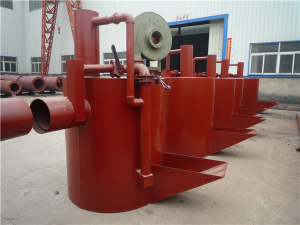
Increasing efficiency with your charcoal briquetting machine involves optimizing various aspects of its operation, maintenance, and production processes. Higher efficiency not only improves output but also reduces operating costs and enhances the overall sustainability of your operations. Here are several key strategies to boost efficiency:
1. Optimize Raw Material Selection
Choosing the right raw materials is crucial for efficient charcoal briquette production. Use biomass wastes that are readily available locally and require minimal processing. Materials like sawdust, rice husks, coffee husks, and coconut shells are excellent choices due to their high calorific value and ease of briquetting.
2. Ensure Proper Moisture Content
The moisture content of the raw materials significantly affects the quality and efficiency of briquette production. Ideally, raw materials should have a moisture content of around 8-12%. Excess moisture can hinder the briquetting process, while too little moisture may lead to brittle briquettes. Use moisture meters to monitor and adjust moisture levels as needed.
3. Optimal Briquette Size and Shape
Experiment with different briquette sizes and shapes to determine the most efficient configuration for your machine and intended use. Smaller briquettes tend to burn more efficiently, while certain shapes may facilitate better airflow and combustion. Consider market preferences and application requirements when selecting sizes and shapes.
4. Calibrate Machine Settings
Regularly calibrate your charcoal briquetting machine to ensure it operates at peak efficiency. Adjust settings such as pressure, temperature, and feed rate according to the characteristics of the raw materials and desired briquette specifications. This helps achieve consistent quality and maximum throughput.
5. Maintain Proper Lubrication
Proper lubrication of moving parts is essential for reducing friction and wear, which can lead to downtime and decreased efficiency. Follow manufacturer recommendations for lubrication intervals and use high-quality lubricants suitable for the operating conditions of your machine.

6. Implement Regular Maintenance
Schedule routine maintenance tasks to keep your charcoal briquetting machine in optimal condition. This includes cleaning debris from components, inspecting wear parts for damage, and replacing worn-out or damaged parts promptly. A well-maintained machine operates more efficiently and has a longer lifespan.
7. Monitor Energy Consumption
Monitor and analyze energy consumption patterns of your charcoal briquetting machine. Identify opportunities to reduce energy usage through operational adjustments, such as optimizing production schedules to run during off-peak hours or implementing energy-efficient technologies.
8. Automation and Control Systems
Invest in automation and control systems where feasible to enhance operational efficiency and consistency. Automated systems can monitor key parameters, adjust settings in real-time, and provide alerts for maintenance or operational issues, minimizing human error and optimizing production efficiency.
9. Training and Skill Development
Ensure that operators and maintenance personnel receive proper training on operating procedures, troubleshooting techniques, and safety protocols. Well-trained staff can identify potential efficiency improvements, implement best practices, and respond effectively to machine performance issues.
10. Evaluate and Improve Processes Continuously
Continuously evaluate production processes and performance metrics to identify areas for improvement. Use data analytics to track key performance indicators (KPIs) such as production yield, downtime, and quality metrics. Implement iterative improvements based on findings to steadily increase efficiency over time.
Increasing efficiency with your charcoal briquetting machine requires a holistic approach that encompasses raw material selection, machine calibration, maintenance practices, and operational optimization. By implementing these strategies, you can enhance throughput, reduce costs, improve product quality, and minimize environmental impact. Regular monitoring, continuous improvement initiatives, and investment in technology and training are essential for achieving sustainable and efficient charcoal briquette production.